Every time you swipe a credit card, you’re not just completing a transaction—you’re triggering a cascade of neural reactions that shape your spending habits. Understanding these hidden forces can empower you to take control of your finances and make more mindful choices.
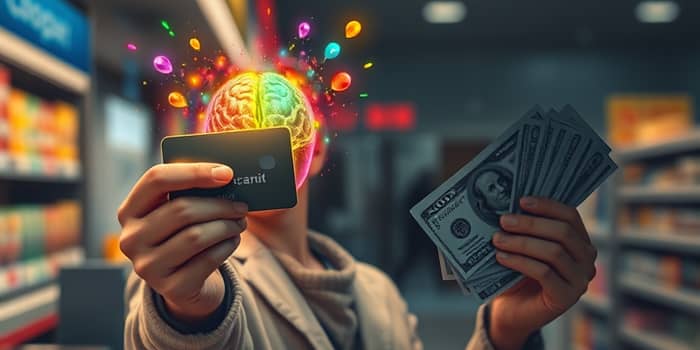
When you slide plastic instead of handing over cash, your brain’s in the brain’s dopaminergic reward center lights up, much like the rush from thrilling experiences. This step on the gas effect sensitizes your reward networks through reinforcement, encouraging you to chase the next purchase. The anticipation of ownership delivers fast, warm pleasure, while the bill’s sting arrives only days later, if at all.
In contrast, cash activates regions associated with physical pain. The insular cortex registers the loss immediately, creating hesitation. Credit cards effectively serve as a buffer, hijacking the brain’s pain system and anesthetizing the wallet’s cry of agony. This payment decoupling makes spending painless and fuels impulsive decisions that cash would normally restrain.
Research shows that using cash triggers a visceral sense of loss. People feel every dollar leave their hands, making them think twice. With cards, that visceral reminder vanishes. You experience delayed realization of the bill, and your brain rewards you for buying, not for paying.
Jonathan Kolmetz, a financial therapist, notes that rewards programs and plastic remove the friction of payment. You no longer weigh the true cost, allowing purchases that would once feel reckless to slip by as harmless clicks or taps.
Numbers reveal the story behind our choices. In a 2023 study of 2,000 adults, 52% likely to impulse buy with credit compared to just 24% with cash. Credit card users tip on average 4.3% more, and 58% admit cards are the most tempting way to overspend. At least 70% of shoppers prefer businesses that accept plastic.
Beyond convenience, credit cards promise points, miles, and cash back. Users perform mental gymnastics that justify fees, convinced they “earned” free vacations or upgrades. Gamification elements—tier statuses, limited-time offers—create a potent blend of fear and excitement, known as FOMO, that erases spending guilt.
Ian Zimmerman, a psychologist, explains that emotional drivers of retail therapy—stress, boredom, celebration—become amplified when paying with cards. The fleeting mood boost masks the eventual “financial hangover,” leading many into a cycle of regret and overextension.
Not everyone is equally susceptible. Materialistic people or those with low self-worth often seek power and prestige through purchases. Certain personality traits—introversion, high arousal needs, low conscientiousness—predict compulsive buying tendencies and growing debt. Optimists may overlook risks, while pessimists spot hidden dangers.
Repeated swiping can condition the brain, forging habits akin to addictions. In vulnerable individuals, the cycle of reward and craving becomes hard to break, spiraling into persistent debt, anxiety, and damaged relationships.
Awareness is the first line of defense. Recognizing how cards manipulate your brain empowers you to choose better payment methods and resist temptation. Here are some practical steps to reclaim control:
By intentionally altering your environment—carrying less plastic, disabling saved card details online, and reflecting on purchases before checkout—you can break patterns of impulsivity.
Ultimately, the goal is not to demonize credit cards but to harness them wisely. With deliberate habits, clear budgets, and a mindful approach to rewards, you can enjoy the benefits of convenience without falling prey to vivid feedback loops of reward and regret. Let this knowledge be your guide toward breaking free from impulsive spending and building a healthier financial future.
References