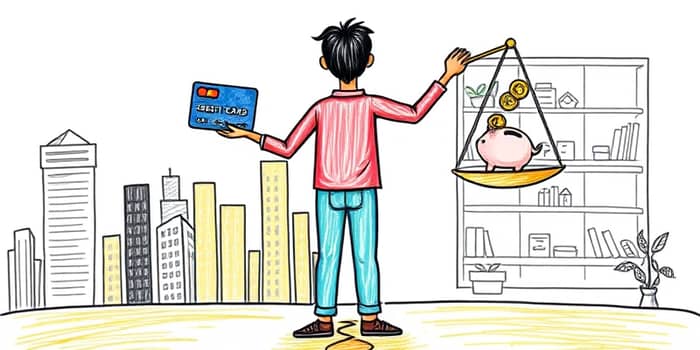
Carrying a credit card balance can feel like a simple solution when cash flow is tight. But is it wise? Weigh the potential benefits against the hidden costs to make a truly informed decision.
Below, we explore the dynamics of short-term liquidity and hidden fees, helping you decide whether to carry a balance or pay in full.
When you don’t pay off your statement in full each month, the remaining balance begins to accrue interest immediately. This unpaid amount not only increases your future minimum payments but also affects your credit utilization, a key factor in your credit score.
Before diving into pros and cons, it’s vital to grasp how interest compounds and how utilization is calculated. Credit utilization is the ratio of your outstanding balance to your total credit limit, typically expressed as a percentage.
These advantages are conditional on disciplined management. Without a clear payoff plan, even small unpaid balances can spiral into significant debt.
These downsides illustrate why most financial experts discourage routine carrying of balances. The costs often far outweigh the perceived convenience.
Recent data highlights the widespread impact of credit card debt and interest costs across generations. Understanding these figures can clarify the urgency of paying down balances.
Although generally unadvisable, certain situations may justify a temporary balance. Consider carrying only if you:
If you meet these conditions, a short-term carry could provide flexibility without incurring runaway costs.
Before deciding to pay interest, explore these strategies:
Pay in full monthly – Avoid all interest charges and strengthen your credit score with on-time payments.
Balance transfers – Move high-interest debt to a card with a 0% promo APR, paying only a modest transfer fee.
Personal loans or consolidation – Secure a lower fixed rate and predictable payments if your credit score qualifies.
Adopting these habits can help you harness credit card benefits—like fraud protection and rewards—without falling into a debt trap.
Carrying a credit card balance is a double-edged sword. While it can offer short-term financial flexibility, the long-term costs often outweigh the benefits. By understanding your spending habits, exploring alternatives, and maintaining a strict repayment plan, you can navigate credit card use wisely.
Ultimately, the smartest strategy is to pay in full whenever possible, keep utilization low, and use credit as a tool rather than a lifeline.
References