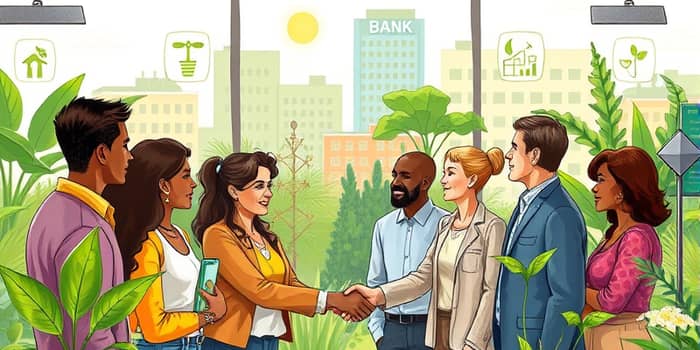
In recent years, a powerful shift has emerged within the financial sector. More individuals, businesses, and communities demand lending solutions that align with their values and aspirations. The ethics of lending, once a niche concept, now stands at the forefront of economic transformation, offering a path toward fair, transparent, and accountable finance.
The origins of ethical lending trace back roughly thirty years to Europe, where citizen-led movements challenged traditional banking norms. Small cooperatives and credit unions began pooling resources to support local projects that mainstream institutions overlooked. These pioneers envisioned a system that would foster shared prosperity and environmental respect, rather than fueling speculative markets.
By the early 2000s, ethical lenders had united under networks such as FEBEA (European Federation of Ethical and Alternative Banks and Financiers), catalyzing cross-border collaboration. Their mission: to ensure money served broader social and ecological goals, not just profit. Today, this legacy inspires new waves of responsible finance worldwide.
At the heart of ethical lending lie principles that extend beyond conventional credit appraisal. Every loan undergoes scrutiny for its potential impact on people, communities, and the planet. These pillars form the bedrock of an equitable financial system.
When a borrower approaches an ethical finance institution, they encounter a holistic evaluation process. Beyond credit scores, applications are assessed for social outcomes, environmental benefits, and governance quality. A small manufacturer seeking funds to expand may be asked to demonstrate how their investment reduces waste or elevates labor standards.
For instance, a UK-based eco-enterprise pitched a £200,000 loan to boost production of biodegradable packaging. By presenting data showing a 30-tonne annual reduction in plastic waste and a plan for local job creation, the business exemplified commitment to sustainable growth. The lender responded with tailored financing and ongoing mentorship, forging a lasting partnership.
Ethical lending is not a one-size-fits-all approach. Institutions design products to meet diverse needs, each guided by shared values of responsibility and impact. Borrowers can choose from specialized offerings that elevate their social and environmental contributions.
Ethical lending extends benefits far beyond financial returns. For society, it channels capital toward initiatives that foster a fairer, more inclusive world. Communities gain access to vital infrastructure, from clean water systems to cooperative housing projects.
Borrowers experience more than just funding; they gain personalized guidance and flexible terms that align with their mission. Transparent processes build trust, empowering entrepreneurs to grow brands rooted in integrity.
From the perspective of the financial system, ethical lenders enhance resilience. By prioritizing real economic activities over speculation, they safeguard against market volatility. Studies reveal that institutions practicing responsible finance often demonstrate greater stability in economic downturns.
While ethical lending offers immense promise, it presents unique hurdles. The in-depth eligibility criteria may extend application timelines, testing the patience of eager borrowers. Detailed reporting obligations also demand resources and expertise, especially for start-ups.
Furthermore, strict sector exclusions—such as fossil fuels, tobacco, and weapons manufacturing—limit options for businesses outside the ethical finance spectrum. However, many entrepreneurs overcome these barriers by developing a clear impact narrative supported by evidence, investing in robust governance and compliance systems, seeking partnerships with sustainability consultants, and engaging early with lenders to understand criteria.
Trust lies at the core of ethical lending. Institutions that share comprehensive reports, open stakeholder dialogues, and publish impact metrics cultivate strong relationships. Borrowers appreciate this open communication and shared accountability, feeling empowered rather than marginalized.
Regular monitoring and feedback loops ensure projects stay on course. When challenges emerge, both parties collaborate on solutions, reinforcing a sense of shared ownership. This dynamic transforms transactions into long-term alliances rooted in mutual respect.
Effective ethical lending relies on robust impact measurement systems. Lenders and borrowers collaborate to define key performance indicators (KPIs) related to social and environmental goals. Common metrics include:
These data points inform regular reviews, guiding necessary course corrections. Transparent reporting not only satisfies stakeholders but also elevates industry standards by showcasing best practices.
The ethics of lending reveal a radical reimagining of finance—one where money is a tool for collective well-being rather than mere accumulation. By embedding social purpose into every credit decision, ethical lenders and borrowers co-create a world where prosperity and responsibility walk hand in hand.
As demand for responsible finance continues to grow, stakeholders at all levels must embrace the challenge and opportunity it presents. Together, we can forge a financial ecosystem that nurtures people, protects the planet, and sustains future generations. The journey toward ethical lending is not just an alternative—it is an imperative for a just and thriving global economy.
References