In a world driven by constant consumption, it's easy to lose sight of what's truly important. Yet, the concept of conscious consumption offers a path toward both joy and stability.
By aligning purchases with your values and goals, you can unlock financial freedom and peace of mind while enjoying what you love. This article explores a comprehensive framework, real-life examples, and actionable strategies to help you spend smarter and live more intentionally.
Embracing conscious spending means discovering hidden opportunities to invest in what truly matters. It dismantles the cycle of buyer’s remorse and fosters a deeper connection between your choices and your purpose.
Conscious consumption goes beyond simple budgeting. It involves making choices that reflect your priorities, whether that’s health, experiences, or long-term security. Unlike restrictive financial plans, it offers flexible and mindful decision-making to foster lasting satisfaction.
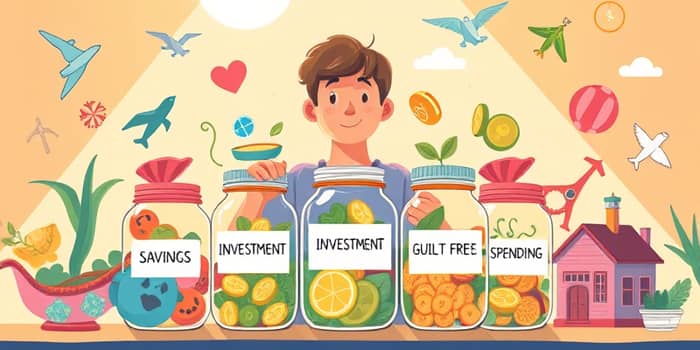
This approach divides spending into four primary categories: fixed costs, investments, savings, and guilt-free expenses. Known as the Conscious Spending Plan (CSP), it ensures you enjoy life responsibly while staying aligned with core values.
Understanding consumer behavior and market projections can spark inspiration. Below is an overview of significant spending trends shaping our financial landscape.
Additionally, consumer behaviors signal a growing emphasis on sustainability and value-based purchases. For example, 68% of shoppers bring reusable bags, and 59% recycle regularly, demonstrating a shift toward eco-friendly habits.
Creating a CSP begins with a clear understanding of your income and priorities. Follow these foundational steps to set the tone for mindful spending:
By dedicating time to these initial actions, you establish a solid foundation. Regularly reviewing your plan ensures it remains responsive to life changes and evolving aspirations.
Once your baseline budgeting is in place, integrate advanced strategies to enhance discipline and clarity:
Adopting these methods encourages intentional and thoughtful purchase decisions. Over time, you'll notice patterns and opportunities to redirect funds toward what matters most.
Mindful spending extends beyond financial mechanics; it influences daily habits. Embrace these lifestyle trends to reinforce conscious consumption:
Each small shift builds momentum. When you consistently opt for value-driven choices, you cultivate sustainable financial well-being and enjoyment in everyday life.
Nothing inspires more than real-world examples of transformation. Consider a couple earning $139,000 annually who implemented a CSP. They allocated $30,000 yearly for travel, maintained monthly expenses at $5,500, and contributed $30,000 annually to education 529 plans for family members.
Their clear categories and flexibility buffer of $600 each month helped them avoid impulsive spending and stay on track with long-term goals and dreams.
On the other hand, April and Kevin, with the same income, struggled until they restructured their discretionary budget. They realized emotional triggers led to $1,000 in extra monthly expenses on dining and clothes. By applying the waiting period and zero-sum techniques, they reclaimed control and began channeling funds toward meaningful experiences.
Consistency is key. Conduct monthly or quarterly reviews to celebrate successes and adjust areas that need work. Use these habits to maintain momentum:
By remaining flexible and self-aware, you ensure your spending plan evolves with your life. Always ask: “Will this choice enhance my values or distract me from my goals?” This simple question can be a powerful filter against impulsive purchases.
Ultimately, conscious consumption is not about limiting joy but about spending in alignment with purpose. Through mindful strategies, detailed planning, and ongoing reflection, financial freedom becomes an attainable reality. Embrace this journey today and watch your resources transform into opportunities for growth, fulfillment, and lasting happiness.
References