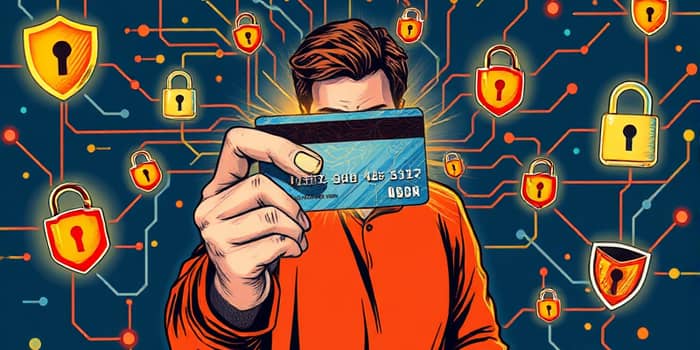
Every swipe or tap carries potential risk. Knowing how to guard against evolving schemes can save you time, money, and stress.
Credit card fraud continues to adapt, exploiting new technologies and human vulnerabilities. According to recent studies, sophisticated data-breach scenarios fuel the rise of unauthorized transactions worldwide.
Rising card-not-present fraud now accounts for one of the fastest-growing threats, as scammers leverage stolen numbers to make online purchases without ever touching the plastic.
Good habits form the first line of defense. Begin by adopting a routine to regularly scrutinize your monthly statements for unexpected charges.
Small, unrecognized transactions often indicate that fraudsters are testing stolen details before making larger purchases.
Modern payment methods offer inherent safeguards. Contactless and tap-to-pay transactions rely on one-time dynamic security codes that expire with each purchase.
EMV chip cards used with a PIN make counterfeiting significantly harder, pushing criminals toward riskier, online schemes.
Mobile wallets like Apple Pay, Google Pay, and Samsung Pay employ tokenization to replace real card numbers with single-use tokens, meaning merchants never store your actual data.
Securing your digital footprint is critical. Look for the padlock icon and “https://” before entering any payment information.
Early detection can mean the difference between a quick resolution and a major headache. Sign up for real-time fraud alert notifications via SMS or email from your card issuer.
Issuers now deploy behavioral-analysis fraud detection engines that flag unusual patterns—such as large foreign purchases or rapid multiple transactions.
Consider dark web scanning services and identity-theft monitoring to stay ahead of threats before charges appear.
When you spot unauthorized charges, quick action is essential. Follow these immediate steps to minimize impact:
Most major networks enforce comprehensive zero-liability protection policies that shield you from unauthorized spending, provided you act promptly.
As fraud evolves, so do defense mechanisms. Machine learning and artificial intelligence now power many issuer platforms, analyzing millions of transactions per second to intercept threats.
Tokenization and end-to-end encryption secure data both in transit and at rest, drastically reducing merchant exposure.
Whether you’re a busy professional or managing a household budget, adopting multi-layered account protection strategies and fostering an empowered, vigilant consumer mindset will keep you one step ahead of fraudsters.
Start today by enabling alerts, inspecting readers before use, and embracing secure payment technologies. Your financial peace of mind depends on staying informed and proactive.
References