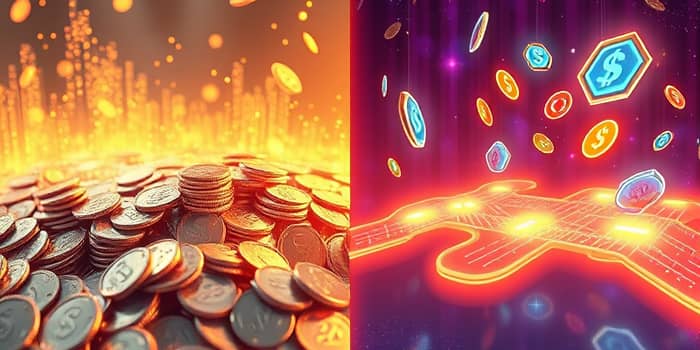
In today’s rapidly evolving digital economy, understanding the nature of the assets you own or trade is essential. From cryptocurrencies that power decentralized finance to unique digital artworks breaking records at auction, the distinction between fungible and non-fungible assets shapes markets, investments, and creative opportunities.
This article guides you through the core concepts, real-world examples, and practical strategies to confidently navigate this tokenized landscape and discover how each asset type can serve your goals.
At its core, fungibility describes an asset’s ability to be exchanged on a one-to-one basis. When every unit is identical to another, pricing becomes transparent and tradeable. This concept has deep roots in traditional finance—think of gold bars or dollar bills.
In the blockchain world, fungible tokens behave exactly the same way. Each token, whether Bitcoin or a branded stablecoin, carries synonymous with an asset's interchangeability and can be swapped without concern for unique identifiers.
Fungible assets excel at serving as mediums of exchange, stores of value, and units of account. Their properties include:
Common examples of fungible assets demonstrate their widespread use:
Non-fungible assets stand at the opposite end of the spectrum: each unit is unique, irreplaceable, and valued based on one-of-a-kind attributes. No two NFTs—non-fungible tokens—are ever identical, and that scarcity drives demand and price discovery.
On public blockchains, every NFT holds one verifiable address on a public blockchain linking metadata, provenance, and royalties. This innovation has unleashed new creative economies for artists, collectors, and brands.
The valuation of non-fungible assets combines art, rarity, and market sentiment. Auctions and private sales often determine final pricing, reflecting many intangible factors.
Non-fungible assets span physical and digital realms. Physical examples include luxury cars, rare diamonds, and historic real estate. In the digital sphere, NFTs represent:
Semi-fungible tokens (SFTs) blend characteristics of both asset classes. They start as fungible tokens but become unique when certain conditions apply—often tied to time or usage.
For instance, a festival ticket functions as time factor such as an expiration date. Before the event, all tickets are interchangeable; afterwards, they transform into unique memorabilia. Digital platforms can even enforce fractional ownership model for accessibility, allowing users to trade partial shares of high-value assets.
Whether you are a seasoned investor, a curious collector, or an entrepreneur exploring blockchain, these strategies will help you harness the full potential of each asset type:
By aligning your investment thesis with the right asset characteristics, you can participate confidently in DeFi protocols, NFT marketplaces, and emerging Web3 ecosystems.
As blockchain technology continues its transformative march, the lines between physical and digital assets will blur. Today’s distinctions between fungible and non-fungible tokens will evolve into even richer hybrid models, unlocking new forms of collaboration, ownership, and creativity.
Embracing this future means adapting to change, learning continually, and daring to explore uncharted digital territories. By mastering the concepts in this guide, you stand prepared not just to observe, but to shape the next wave of tokenization.
Start your journey now, and discover how fungible, non-fungible, and semi-fungible assets can empower your financial goals, creative visions, and collective innovations.
References