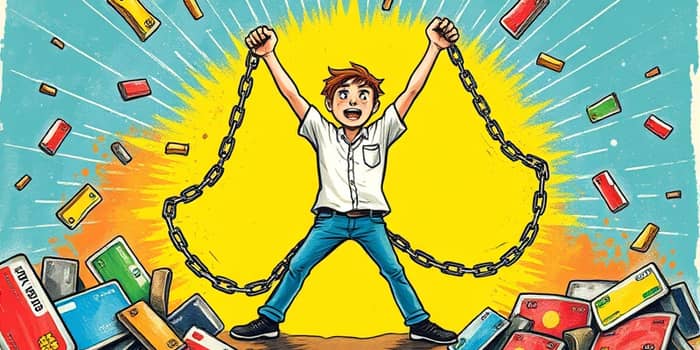
There’s nothing more overwhelming than watching high-interest credit card balances climb month after month. When the minimum payments barely scratch the principal and interest charges stack up, it feels impossible to gain control. Yet, by understanding the tools at your disposal and adopting proven repayment strategies, you can transform this burden into a clear path toward freedom.
In this guide, you’ll discover how to harness credit cards strategically—turning them from a source of stress into a mechanism for renewal. With the right approach, a fresh financial starting point is within reach.
Most credit card debt is revolving with variable interest rates. Every month, you pay interest on the outstanding balance, making it difficult to chip away at the principal. Meanwhile, new purchases add to the total, trapping you in a cycle.
By contrast, installment debt—like a personal loan—offers a fixed rate and set schedule. This structure motivates consistent repayment and can boost your credit score when managed well. Recognizing how each form of debt operates is the first step toward breaking free.
When it comes to paying off multiple debts, two methods stand out: the snowball and the avalanche. Neither is a magic bullet, but each brings unique advantages.
Having chosen your strategy, it’s time to put theory into practice. A strong budget serves as the navigation chart for your journey.
If self-directed strategies aren’t enough, explore professional options. A personal loan can roll multiple balances into one fixed installment, while a debt management plan pairs you with an expert counselor.
In a DMP, the counselor negotiates with creditors to lower interest rates and may waive late fees. You make a single monthly payment to the agency, which distributes funds to each creditor on your behalf.
These solutions can be lifesaving for those facing persistent collection calls or struggling to meet minimums. Remember, though, that DMPs often last four years or longer and may require closing revolving accounts.
Debt repayment is as much a behavioral challenge as it is a financial one. Cultivate lasting habits to ensure you don’t fall back into old patterns.
Track your progress visually—use charts, apps, or a simple ledger. Celebrate each milestone, no matter how small. Consistency is more powerful than occasional large payments.
Live within or below your means. Practicing mindful spending on everyday needs prevents new debt and reinforces the progress you’ve made.
Automate payments wherever possible. This avoids late fees, rate hikes, and the anxiety of missed deadlines.
Picture waking up without minimum payment reminders or interest charges peeling away your paycheck. With each debt you eliminate, you gain not just monetary savings but an emotional lift—confidence in your ability to manage money and achieve goals.
By combining strategic credit card use with disciplined habits, you can achieve peace of mind and financial rebirth. The path may require sacrifice, but every dollar you direct toward principal is a step away from stress and toward opportunity.
Your journey to a clean slate starts today. Choose a strategy, build a plan, and take action. Freedom from the weight of high-interest debt is possible—and within your grasp.
References