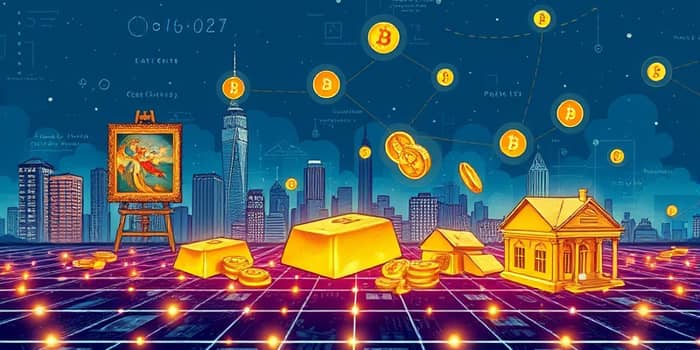
In an era where technology redefines value, asset tokenization emerges as a revolutionary force. By converting physical and digital assets into blockchain-based tokens, this paradigm unlocks new dimensions of ownership, liquidity, and inclusion. As we journey through its potential, we discover how the seemingly intangible can become universally accessible and tradable.
From skyscrapers to fine art, from commodities to intellectual property, tokenization is poised to reshape how we perceive, manage, and exchange value. Its impact extends beyond finance, promising a future where barriers dissolve and opportunity thrives.
At its essence, asset tokenization transforms rights to an asset—be it real estate, art, or corporate bonds—into cryptographic tokens recorded on a blockchain.
These tokens serve as proof of ownership or mirror an asset’s performance. They come in two main forms: fungible tokens, which are interchangeable like stablecoins, and non-fungible tokens (NFTs), each uniquely representing a specific asset.
These categories illustrate the breadth of possibilities, where fractional ownership unlocks real-world assets for a diverse global audience.
Through smart contracts, processes like rental income distribution or dividend payouts can be automated, delivering instant transfers and automated compliance that outpace traditional systems.
By democratizing global access to investments, tokenization empowers individuals and institutions alike to participate in markets once reserved for a select few.
Despite its promise, asset tokenization faces significant hurdles. Regulatory frameworks vary by jurisdiction, creating uncertainty for issuers and investors. Technological maturity is still evolving, and security breaches or custody failures pose material risks.
Moreover, secondary-market liquidity is not guaranteed; tokenized assets require robust marketplace infrastructure and active participants. Effective key management remains paramount to preserving token validity and investor confidence.
Leading organizations and pioneering projects offer glimpses into tokenization’s transformative potential:
Each example demonstrates how tangible and intangible assets can be reimagined, unlocking value and liquidity previously locked away.
Industry research from McKinsey projects a tokenized market capitalization of nearly $2 trillion by 2030, excluding cryptocurrencies and stablecoins. Major asset managers like BlackRock and Franklin Templeton have launched regulated tokenized funds on Ethereum and other public blockchains, signaling a shift from pilot programs to large-scale adoption.
Visionaries predict a universal ledger where every deed, title, and security resides on-chain. Beyond finance, tokenization could extend to digital identity, data rights, loyalty programs, and Web3 protocols, illustrating the transformative power of blockchain technology across society.
As we stand on the threshold of this new frontier, collaboration among regulators, technologists, and market participants is essential. Building secure custody solutions, refining compliance frameworks, and nurturing active marketplaces will pave the way for unlocking trillions in illiquid value.
Asset tokenization is more than a financial innovation—it is a cultural shift that challenges traditional notions of ownership and value. By embracing this revolution, we open doors to unprecedented opportunity and inclusivity.
The tokenized future invites each of us to reimagine the assets we hold dear, unlocking potential that transcends borders and boundaries. The journey begins now—join the movement and help shape the next chapter in the story of global finance and beyond.
References